.png)
Gender Equality in Finance - Why it's personal to me.
- Michelle (Eun) Cho
- Sep 2, 2025
- 3 min read
Updated: Jan 26
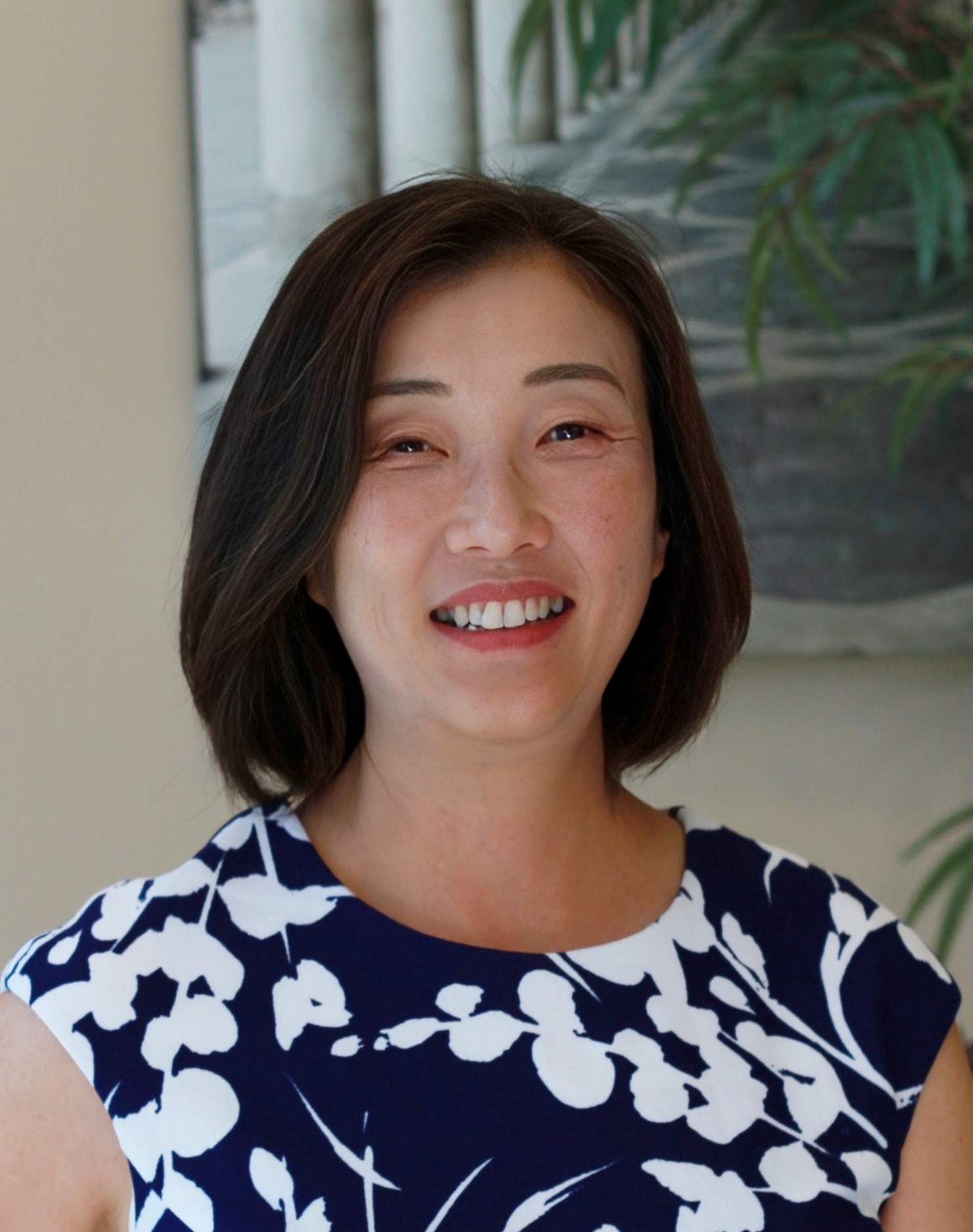
By Michelle Cho, CFP®, BFA™, ChSNC® | Founder, Echo Wealth Partners
Growing up in a rural part of Korea, I believed all humans were created equal. At least at my house in the eyes of little girl, that seemed true. My parents valued education above all else, encouraged both me and my brother to take our studies seriously, and supported us every step of the way.
But when I became a teenager, the rules began to shift. Suddenly, I was asked to clean the rooms and help in the kitchen after finishing my homework while my brother played outside or watched TV. I felt it was unfair but had to accept it as the cultural norm.
So, I poured my energy into the one place where I was treated equally: school. Grades didn’t discriminate. I fell in love with science, devouring biographies of pioneers like Marie Curie, who inspired me to dream big. By the time I finished middle school, I was determined to go to a special science academy.
Then I learned I couldn’t even apply because I was a girl.
That moment planted a seed of deep dissatisfaction. It was when I began questioning the cultural norms around me and started my quiet fight against inequality.
Then in 1988, when my family immigrated to the United States, I was thrilled. America, to me, was the land of freedom, opportunity, and fair chances for women.
Unlike my initial perception though, I discovered that discrimination hadn’t disappeared even in America. It was subtle, unspoken, and systemic: closed doors, lowered expectations, and invisible rules. It showed up in glass ceilings, pay gaps, and, ultimately, the wealth gap that continues to hold women back.
Years later, I learned about my mother’s own experience with inequality. She was the brightest of seven children, loved learning and excelled in every subject. But in 1950s Korea, middle and high school education were not free, and when my grandparents had to choose which children’s tuition to pay for, they chose the sons.
My mother never finished her formal education. And yet, she never stopped learning and eventually becoming a calligraphy teacher and living a full, creative life. I admire her deeply, but I still wonder:
What doors might have opened for her?
What dreams could she have pursued?
What impact could she have made if she had been given the same chance as her brothers?
At first, I felt only sadness for my mom. But as I grew older, that sadness transformed into something else, a deep, simmering anger at the systems that quietly but powerfully decide who gets opportunities and who doesn’t.
That anger became fuel.
It pushed me to claim the education my mother was denied. It drove me to stand in rooms where women’s voices—especially women of color—were missing. And today, it fuels my mission to fight for gender equality in finance.
We’ve made enormous progress over the past century, but the gender wealth gap still remains. Career breaks for caregiving, persistent pay gaps, and a financial industry that still overlooks, talks over or even excludes women from money conversation all contribute to the problem.
I believe every woman deserves the confidence to take control of her financial future and the opportunity to align her wealth with her values. My work is about bringing more women into the financial conversation, giving them the tools to claim their power, and showing that when women rise financially, families and communities rise with them.
My mother’s story and my own are just two threads in a much larger story, a story of opportunity denied and opportunity fought for.
Together, we can weave a different future.
What about you? What’s your story of struggle and triumph when it comes to gender equity?
I’d love to hear it

Comments