.png)
Earth Month and Your Portfolio: Is Your Money Building the Future You Believe In?
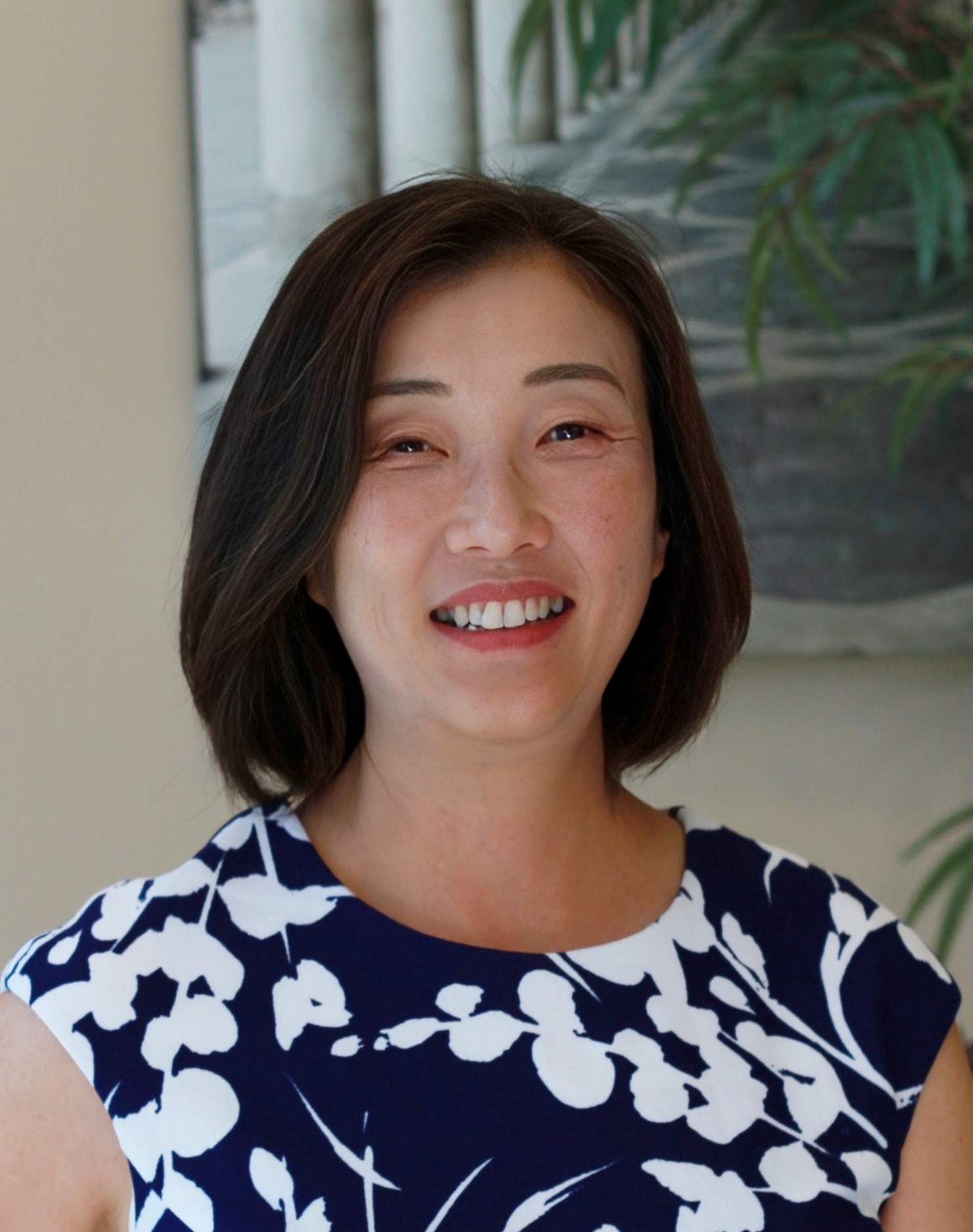
By Michelle Cho, CFP®, BFA™, ChSNC® | Founder, Echo Wealth Partners
April invites us to think about the world we want to live in.
We talk about clean air, clean water, healthier communities, and a more sustainable future. Earth Day is April 22, and the 2026 theme is “Our Power, Our Planet.” (Earth Day)
But Earth Month can also invite a more personal question:
Is my portfolio building the future I believe in — or quietly funding the opposite?
For many women I speak with, this question lands deeply.
They have worked hard. They have built meaningful wealth. They care about their families, their communities, and the kind of world they want to leave behind. Yet many have never been shown that investing can be about more than chasing returns or simply defaulting to whatever happens to be in a fund.
They have been taught to ask:
Is this portfolio diversified?
Is performance competitive?
Am I taking the right amount of risk?
Those are important questions. But there is another one that matters too:
Does my money reflect my values?
Why this conversation matters now
Values-aligned investing has been through backlash, politicization, and plenty of confusing headlines. But that does not mean investor interest has disappeared.
What it does mean is that many investors are becoming more discerning.
They are moving beyond generic labels and asking for more clarity, more transparency, and more control over what they actually own.
That shift is important.
It suggests that the future of values-aligned investing may not be about choosing a fund with the right label. It may be about building a portfolio that reflects your own specific priorities more precisely.
Values-aligned investing is not just about saying no
Many people think sustainable or impact investing simply means screening out a few industries.
That can be part of it, but it is only one layer.
A thoughtful portfolio can also ask:
What kinds of companies am I supporting?
How do they treat people?
How do they manage environmental risk?
Are they building long-term resilience, or extracting short-term profit at long-term cost?
How can my capital better reflect the future I want to help create?
So this is not only about avoidance. It is more about alignment.
Your portfolio is a form of participation
Whether we think about it or not, our money is a powerful force always doing something.
It is backing business models. Rewarding incentives. Supporting systems. Helping shape what gets built next.
That does not mean every investment decision has to be perfect.
It does mean we should be conscious.
Because if your life is guided by values, but your portfolio is completely disconnected from them, that gap often creates discomfort. You may not always have language for it, but you can feel it.
I have found that many women feel relieved when they realize they do not have to choose between being financially thoughtful and being values-driven.
They can do both.
The real question is not “ESG or not ESG?”
The better question is:
What do you want your wealth to stand for?
For one person, that may mean reducing exposure to industries that conflict with deeply held beliefs.
For another, it may mean supporting companies that are creating better outcomes for women, advancing gender and racial equity, or building more inclusive workplaces and leadership pipelines.
For someone else, it may mean emphasizing companies with stronger governance, environmental stewardship, cleaner innovation, or long-term resilience.
And for many thoughtful investors, it may mean moving beyond generic ESG funds toward a more personalize approach that allows for greater clarity, transparency, and alignment.
That is one reason I believe personalized approaches such as values-aligned direct indexing are becoming more relevant. Instead of relying solely on a fund label, investors can gain more visibility into what they actually own and more control over how their portfolio reflects their priorities.
This is why I believe the conversation should not start with a product.
It should start with a person.
Her values. Her goals. Her concerns. Her vision for the future.
Earth Month is a good time for a portfolio reset
This month, consider asking:
Do I know what my portfolio actually owns?
Are there holdings that clearly conflict with my values?
Am I invested in a way that reflects both my financial goals and my principles?
Would a more personalized approach help me feel greater clarity and alignment?
You do not need to change everything overnight.
But even asking better questions can be powerful. Once you begin to see your portfolio not just as a collection of tickers, but as an extension of your values, the conversation changes.
Final thought
Earth Month reminds us that the future is shaped by what we choose to build, protect, and support.
That is true in our communities. And it is true in our portfolios.
Your investments may not solve every problem. But they are still a reflection of your priorities, your voice, and your vision.
Your money is not neutral. It can remain passive. Or it can become more purposeful.
And perhaps that is one of the most important questions Earth Month can ask us:
What kind of future is my portfolio helping create?
Friendly reminder: This newsletter is educational and not personalized tax or investment advice. Equity comp rules vary by plan and individual situation. Coordinate with your CPA and financial planner before making decisions.

Comments